Home » Travel Blog » GORILLA HABITUATION IN CONGO
GORILLA HABITUATION IN CONGO
Ever wondered how gorillas in Congo get used to people so you can safely see them on a trekking tour? This article breaks down how habituation works.
In the Democratic Republic of Congo (DRC), gorilla habituation is run by the government and park authorities — mainly the Institut Congolais pour la Conservation de la Nature (ICCN) — working with rangers and conservation partners.
Habituation lowers conflict between humans and gorillas and supports conservation.
Here we’ll cover what habituation means, where it happens, who does it, and why it matters so much for wildlife protection in the DRC.
What Is Gorilla Habituation in Congo?
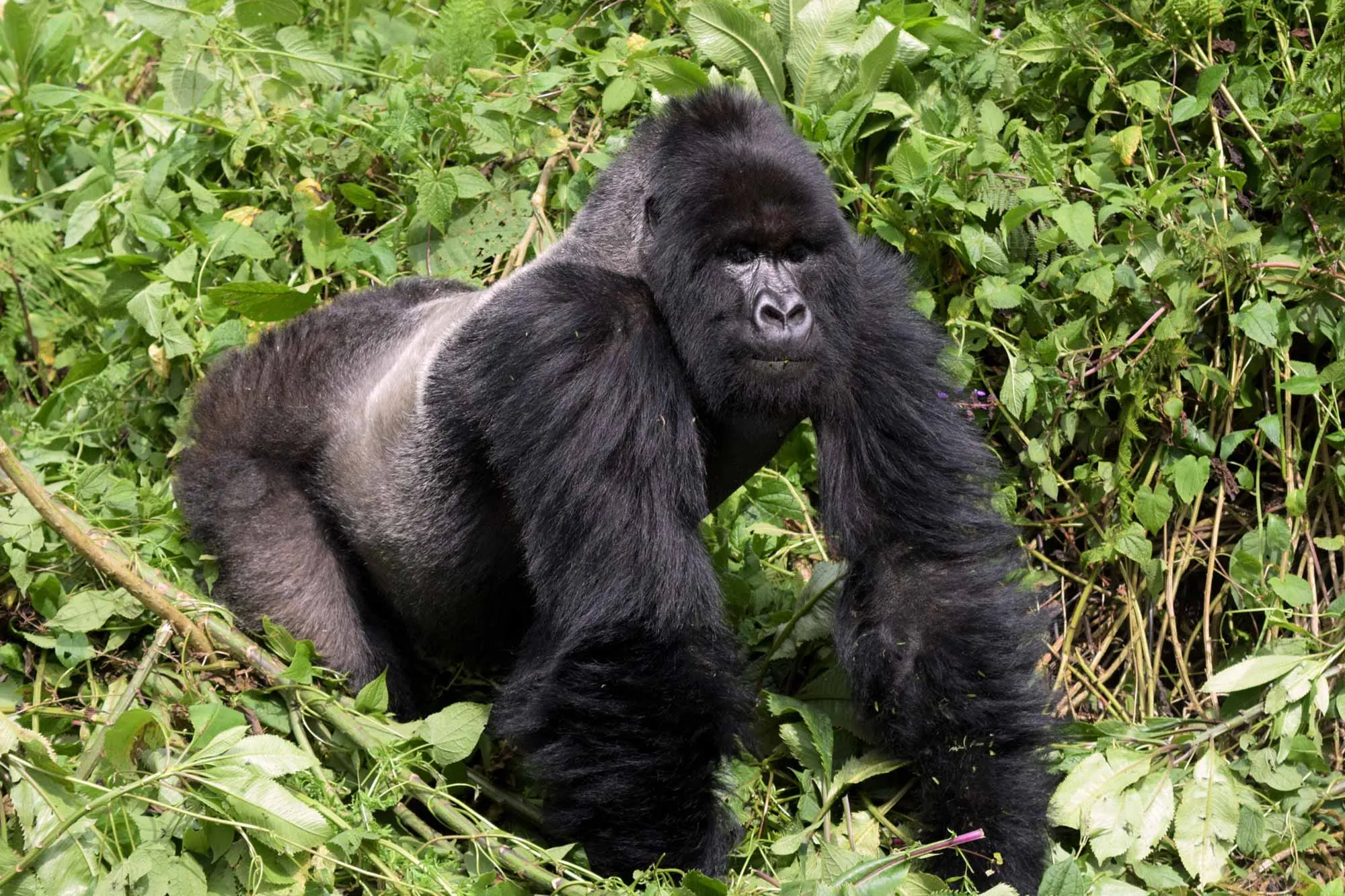
Gorilla habituation is the slow, careful process of getting wild gorilla groups comfortable with people.
That way, researchers can study them and tourists can observe them safely without causing harm. It’s different from standard gorilla trekking.
A trek gives you about one hour with a gorilla family. A habituation experience lets researchers and conservationists spend several hours with a group, watching everyday life — feeding, playing, even a silverback chest-beating — while keeping stress low.
The goal is simple: let gorillas be at ease around humans, but still act naturally in their forest home.
In the DRC, this matters for both mountain gorillas in Virunga National Park and eastern lowland gorillas, also called Grauer’s gorillas, in Kahuzi-Biega National Park.
How Is the Gorilla Habituation Experience Done in DR Congo?
It usually takes two to three years for a group to become fully habituated. Trained teams visit daily, building trust bit by bit.
They keep their distance, move calmly, and avoid noise. This careful approach keeps the gorillas relaxed.
It lets rangers and researchers watch how families interact — how mothers care for babies, how groups forage — without disrupting them.
Habituation also helps conservation by reducing human-gorilla conflict, making protection easier.
While the ICCN manages the parks and issues permits, habituation isn’t done by government rangers alone.
It’s a team effort with NGOs, conservation groups, and trained local staff — trackers, primatologists, and guides.
That collaboration improves monitoring, supports anti-poaching work, and provides livelihoods for nearby communities.
How Long Does the Habituation Process Take?
Expect two to three years, depending on how the group responds. The main stages are:
- Initial Tracking: Teams find a wild group and watch from afar, learning their feeding patterns, social bonds, and behaviors like chest-beating.
- Gradual Exposure: Over months, trackers and rangers spend more time nearby, staying calm so they don’t spook the gorillas.
- Monitoring Reactions: The team watches how gorillas react to human sounds, movements, and closeness, making sure stress stays low.
- Full Habituation: When the group is comfortable, they’re considered fully habituated and ready for safe tourism or research.
That long timeline keeps the process ethical and sustainable for the gorillas.
Where Does Gorilla Habituation Take Place in Congo?
Habituation in the DRC centers on two key parks. Each protects a different gorilla species — eastern lowland gorillas and mountain gorillas — and both sit in eastern Congo’s rich, forested landscapes.
Virunga National Park
Virunga sits in eastern DRC near Rwanda and Uganda. It’s a UNESCO World Heritage Site, famous for mountain gorillas seen on Congo trekking tours.
Opened in 1925 as Albert National Park, it’s one of Africa’s oldest parks. The terrain runs from volcanoes to forests to savannas.
Here, habituation teams work to get gorilla groups used to people, allowing longer observation and daily monitoring with rangers and trackers.
While full habituation experiences aren’t open to tourists, visitors can still do guided gorilla treks from park headquarters.
That usually means hiking rugged ground to reach a habituated family. Tchegera Island nearby adds options like nature walks and Batwa cultural visits, rounding out a Congo safari.
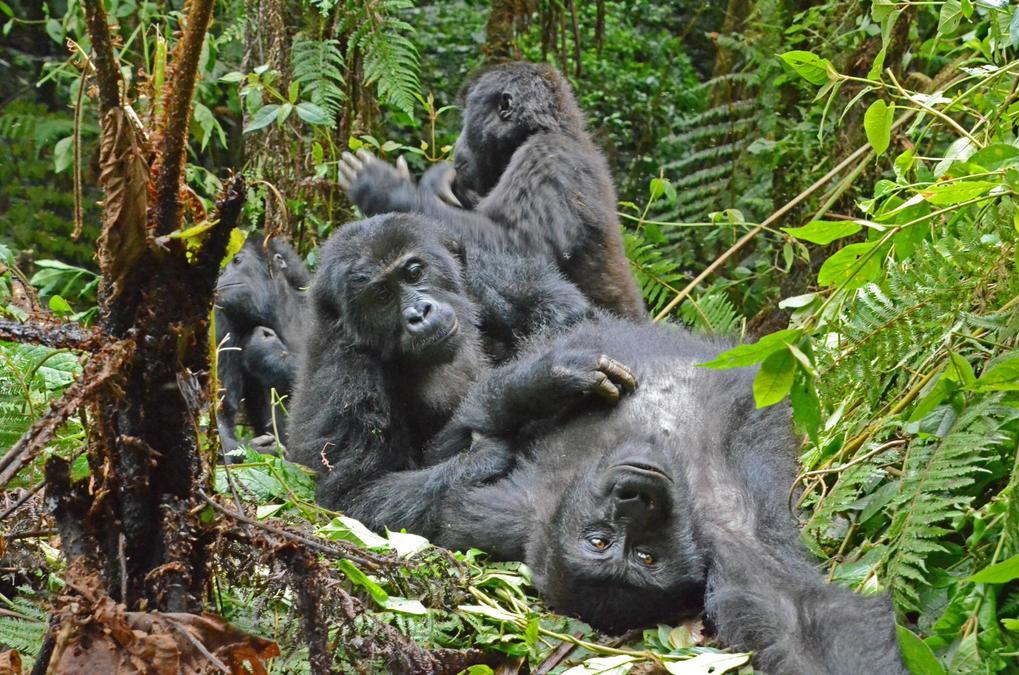
In southeastern DRC, Kahuzi-Biega is the main home of eastern lowland gorillas, or Grauer’s gorillas, often seen on Congo gorilla treks.
Named after two extinct volcanoes — Mount Kahuzi and Mount Biega — the park is a biodiversity hotspot.
Habituation teams here work with Grauer’s gorilla groups, using tracking and slow exposure.
The Mpungwe group, for example, was fully habituated in just two years. The forest is dense, so researchers come prepared with boots and stamina.
But the payoff is a close, authentic look at these rare primates in their natural habitat.
Other areas like Nkuba Conservation Area, Tchegera Island, and Tayna Nature Reserve support habituation for research but aren’t tourist-friendly.
For most travelers, Virunga and Kahuzi-Biega are the go-to spots for gorilla tours in Congo.
Key Players in Congo’s Gorilla Habituation
Habituation in the DRC is a group effort — government, NGOs, and locals all play a part to keep it ethical and effective.
Institut Congolais pour la Conservation de la Nature (ICCN)
ICCN runs the parks, trains, and rangers, and issues permits. In Virunga and Kahuzi-Biega, rangers patrol daily, track wild groups, and keep visitors safe on treks. NGO teams often work alongside them, adding expertise on gorilla behavior.
Primate Expertise (NGO-Led Teams)
Once led by the late Augustin K. Basabose, these teams pair rangers and trackers to habituate Grauer’s gorillas in Kahuzi-Biega. The Mpungwe group was habituated in two years with 8 rangers and 4 trackers. They partner with ICCN and groups like Wild Earth Allies to boost conservation.
African Parks
African Parks handles park management and staff training, especially in places like Odzala-Kokoua National Park with western lowland gorillas. Their teams of primatologists and Congolese trackers aim to open new groups for tourism by 2025, while building local skills and protection.
Dian Fossey Gorilla Fund
This group focuses on research, not tourism. They track unhabituated gorillas in remote areas, monitor population growth, and support communities with over 100 trackers to curb habitat loss. They work mainly in the Nkuba Conservation Area, emphasizing long-term conservation.
GRACE (Gorilla Rehabilitation and Conservation Education Center)
GRACE works with rescued gorillas, handling rehabilitation and rewilding in places like Tayna Nature Reserve and Virunga.
In Virunga they help monitor mountain and Grauer’s gorilla populations, linking conservation with sustainable tourism. Rewilding projects are planned for 2025.
Is Gorilla Habituation Only Done by Government Rangers?
ICCN rangers are central, but they don’t do it alone. NGOs like Primate Expertise and African Parks bring technical skills, extra staff — primatologists, trackers — and funding. That support is crucial across DRC’s vast, tough terrain.
For example:
- In Kahuzi-Biega, habituation teams include non-government trackers working with rangers.
- African Parks rotates Congolese staff for daily monitoring, growing local expertise.
Without this teamwork, habituation would be under-resourced, given the size of the forests and security challenges. The partnership has led to 15 new Grauer’s gorilla births in monitored areas, less poaching, and better management of gorilla families.
Difference Between Gorilla Habituation and Gorilla Trekking in Congo
Both are amazing, but they’re not the same.
Gorilla Trekking
A standard trek is a one-hour visit with a habituated group during a Congo gorilla trip. Groups are small — usually 8 people.
You hike with rangers to the gorillas, watch for an hour, then leave.
Permits are required, typically $400–$600 per person. The fees fund conservation and local communities.
Gorilla Habituation Experience
This isn’t offered to tourists in Congo yet. It would give researchers up to four hours with a group that’s still being habituated — mountain or eastern lowland gorillas in the wild. Groups are smaller, often 4 people.
You get a deeper view of family life — feeding, playing, and silverback behavior. Permits would be higher, around $1,000–$1,500, because of the time and conservation focus. So trekking is more accessible and common.
Habituation is rarer and more immersive. Licensed operators like Prime Safaris and Tours Ltd, Congo Gorilla Safaris and Tours, Wild Gorilla Safaris, and Africa Safaris Tours run Congo gorilla safaris that include trekking, nature walks, and chimp tracking in Kahuzi-Biega and Virunga.
Conservation Importance of Gorilla Habituation in Congo
Habituation is the backbone of DRC conservation. It helps in several ways:
- Research and Monitoring: Scientists learn about gorilla health, reproduction, and social life, which helps protect endangered groups.
- Tourism Revenue: Permit fees go to ICCN, NGOs, and communities, paying for anti-poaching patrols and habitat protection.
- Community Support: Tourism creates jobs for porters, guides, and trackers, giving locals alternatives to poaching or deforestation.
- Population Protection: Habituated groups are watched closely, cutting risks like poaching, snaring, and conflict.
Without habituation, gorillas would stay hidden, funding would drop, and they’d be more vulnerable.
The process has helped stabilize numbers — mountain gorillas are now over 1,000, and Grauer’s gorillas are showing signs of recovery.
Challenges in Gorilla Habituation Programs
It’s not easy. Teams deal with:
- Security Issues: Conflict in eastern DRC can interrupt work and block access to remote areas.
- Dense Terrain: Thick forest makes tracking hard and physically demanding.
- Human Impact: Teams must limit stress on gorillas, carefully controlling how and when people are present.
- Resource Limits: Funding and staffing can be tight, so NGO help is vital. Poaching and
- Habitat Loss: Ongoing threats need constant monitoring.
- Coordination: Rangers, NGOs, and local trackers all need to work together smoothly.
Even with these hurdles, habituation programs have succeeded, making safe tourism and research possible while protecting gorillas.
Future of Gorilla Conservation in Congo
The outlook is hopeful, but it needs continued work.
- Teamwork between ICCN, NGOs, and communities will stay essential.
- African Parks plans to open new gorilla groups for tourism by 2025. GRACE is pushing rewilding in Virunga.
- Tourism money will keep funding anti-poaching, habitat restoration, and community projects so gorillas can thrive.
- For travelers, choosing a Congo gorilla safari directly supports this.
- Book with responsible operators, follow the rules, and you help conserve these incredible primates for the next generation.
Whether you’re on Virunga’s volcanic slopes or in Kahuzi-Biega’s deep forest, time with gorillas is unforgettable — and it makes a difference.
Can Tourists Join Gorilla Habituation in Congo?
Tourists can’t join habituation experiences in the DRC right now, but you can do gorilla trekking. Access is restricted to protect the gorillas. Here’s how it works:
- Book Early: Use an authorized operator to get a trekking permit — $400–$600 per person.
- Prepare for the Trek: Expect tough hikes in dense forest. Bring sturdy boots, long pants, and a rain jacket. Weather changes fast.
- Follow Rules: Stay 7 meters back, no sudden moves or loud noises, and listen to rangers.
- Enjoy Your Hour: You’ll get up to one hour with a group, watching how they feed, play, and care for babies.
- Starting Points: Goma (near Virunga) or Bukavu (near Kahuzi-Biega). Tours usually include transport and lodging.
- Best Time: Dry seasons — June to September and December to February. Trails are less muddy. Permits are limited, so book early.
Gorilla Habituation in Congo FAQs
- What Is Gorilla Habituation?
It’s the gradual process of getting wild gorilla families used to people through daily visits. That allows safe, close observation for tourism and research with minimal stress.
- Where Does Gorilla Habituation Take Place in Congo?
Mainly in Virunga National Park and Kahuzi-Biega National Park. Virunga works with mountain gorillas; Kahuzi-Biega with eastern lowland gorillas in montane rainforests.
- When Is the Best Time for Gorilla Habituation?
Dry seasons — June to September and December to February. Trails are easier, visibility is better, and conditions are more comfortable for the long process.
Gorilla habituation in Congo turns wild gorilla troops into groups that visitors can see on Congo gorilla treks. That means intimate, hour-long views of family life, foraging, and silverback displays in misty highland forests. Join ethical safaris that support conservation. Ready to plan your trip? Contact a reputable tour operator who specializes in Congo gorilla safaris. They’ll help you set up the best tour for you.
What you may like
-
1 Reason to Visit Kahuzi Biega National Park – Gorillas!!
Read more -
The Amazing Congo Gorilla Safari to Kahuzi-Biega National Park
Read more -
Congo gorilla safari destination options for your next holiday
Read more -
IDJWI ISLAND, IDJWI ISLAND TOURS IN THE DEMOCRATIC REPUBLIC OF CONGO
Read more -
A Glance through the life of a Lowland Gorilla to the Trekking Activity
Read more -
Experience Unforgettable Africa Safari Adventures; Congo Hiking Safaris
Read more
Want to visit Kahuzi-Biega?
Kahuzi-Biega National Park, is a secure area close to Bukavu town in Eastern Democratic Republic of Congo.
